
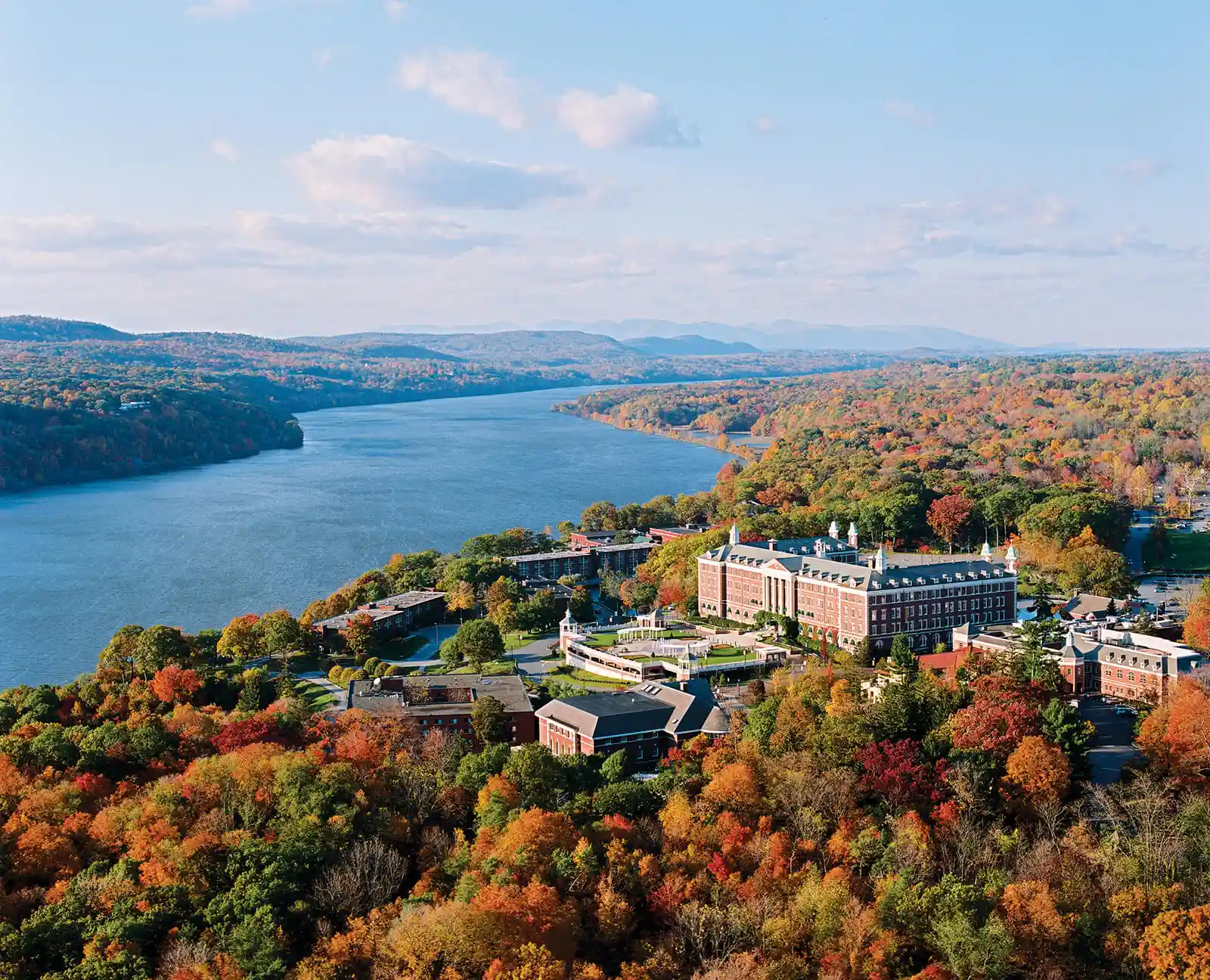
The Culinary Institute of America
The Culinary Institute of America: A Deep Dive into the Institution Defining Global Gastronomy
The Culinary Institute of America (CIA) stands as a monumental figure in the global landscape of culinary education. Often referred to as the “Harvard of culinary schools,” the institution has played a foundational role in professionalizing the chef profession, transforming it from a trade primarily learned through apprenticeship into a respected, academic field of study. Analyzing the CIA offers crucial insights into the standards, curriculum, and infrastructure required to cultivate professional expertise in the high-stakes environment of modern gastronomy and food business.
A Legacy Forged in History and Adaptation
Founded in 1946, the CIA did not begin in its now-iconic Hyde Park, New York, mansion. It was initially established as the New Haven Restaurant Institute, a vocational school intended to train returning World War II veterans. This early focus on practical, accelerated training laid the groundwork for the institution’s commitment to hands-on learning, a principle that remains a cornerstone of its educational philosophy today.
The relocation to the historic former Jesuit seminary in Hyde Park in 1972 marked a pivotal shift, allowing the institution to expand its facilities and, critically, to begin offering Associate and Bachelor’s degrees. This move cemented the CIA’s transition from a trade school to a comprehensive, degree-granting college, setting a national precedent for the academic rigor applied to the culinary arts. This historical evolution underscores a core analytical point: the professionalization of cuisine is inseparable from the formalization of its education.
Academic Framework and Degree Programs
The CIA’s academic programs are designed to provide a balanced education, integrating intensive technical training with crucial general education and business management coursework. This blended approach acknowledges that a modern chef requires not only technical proficiency but also a deep understanding of finance, management, and food science.
The institution primarily offers:
- Associate in Occupational Studies (AOS) Degrees: These programs focus on core technical skills in Culinary Arts and Baking & Pastry Arts. They are intensive, hands-on, and designed for rapid entry into the industry. The curriculum is meticulously structured, starting with foundational techniques like classic French cuts, stocks, and sauces, and progressing through global cuisines and advanced preparation methods. This technical deep dive ensures graduates possess the non-negotiable practical competence demanded by high-level kitchens.
- Bachelor of Professional Studies (BPS) Degrees: These degrees build upon the AOS foundation, layering specialized knowledge in critical areas. Options include Culinary Science, Food Business Management, Hospitality Management, and Applied Food Studies. The inclusion of Culinary Science, for example, reflects the industry’s increasing reliance on data and scientific principles, examining topics such as ingredient chemistry, fermentation, and product development—areas crucial for innovation and large-scale standardization (as seen in commercial operations that produce items like the widely-popular Seafood Boil).
- Master’s Programs: Targeting experienced industry professionals, graduate studies at the CIA focus on advanced areas like Food Business, providing the analytical tools necessary for executive-level leadership, strategic planning, and navigating complex supply chain issues.
The structure of the CIA curriculum mandates a significant externship component. This paid, real-world experience, often lasting 15 weeks, is strategically placed within the program to bridge the gap between classroom theory and industry practice. Analysis of this model shows it is instrumental in lowering the barrier to entry for graduates and strengthening the institution’s ties to the global hospitality industry.
The Ecosystem of Learning: Campuses and Facilities
The effectiveness of the CIA’s education is directly supported by its exceptional physical infrastructure across its main U.S. campuses:
- Hyde Park, New York (Main Campus): As the flagship location, this campus houses multiple specialized kitchens, bakeshops, and food labs. Crucially, it features five distinct, student-staffed public restaurants—including the renowned Bocuse Restaurant (French fine dining) and Ristorante Caterina de’ Medici (Italian). These student-run operations function as living laboratories, forcing students to manage front-of-house service, cost control, inventory, and real-time customer feedback—replicating the pressurized environment of commercial success, much like that analyzed in successful chains like Juicy Seafood.
- St. Helena, California (Greystone Campus): Located in the Napa Valley, this campus specializes in advanced studies, including professional wine and beverage programs. Its focus shifts towards regional American cuisine, sustainable agriculture, and the intersection of food and wine culture.
- San Antonio, Texas Campus: This location emphasizes Latin American cuisines and cultural culinary traditions, reflecting the growing influence of these flavors on the American palate and the need for professionals to understand the intricacies of ingredients and techniques far beyond classical French training.
The extensive, specialized facilities across these campuses are an analytical necessity. They allow the CIA to expose students to an unparalleled diversity of equipment, techniques, and regional food cultures, thereby future-proofing their skill sets against evolving consumer trends (such as the enduring demand for Cajun-style dishes like the Red Lobster Seafood Boil).
Faculty and Industry Influence
The quality of instruction is a key differentiator. CIA faculty often comprises Certified Master Chefs (CMC)—the highest professional certification in the U.S.—along with experts in baking, food business, science, and history. This commitment to hiring industry leaders ensures that the knowledge imparted is current, relevant, and grounded in professional best practices.
The influence of the CIA extends far beyond its campuses. Its alumni network is vast and deeply integrated into every sector of the food world—from Michelin-starred kitchens to large-scale institutional catering, and from food media to executive positions in major corporate food services. The institution frequently hosts industry conferences and research initiatives, effectively serving as a think tank for the hospitality sector. This level of industry integration demonstrates that the CIA is not merely teaching about the food world; it actively helps to shape its future.
The Role of Business and Management in Culinary Education
Perhaps the most critical evolution in modern culinary education, heavily emphasized at the CIA, is the recognition that technical skill is insufficient for professional longevity. A BPS degree in Food Business Management directly addresses the high failure rate of independent restaurants. Coursework includes:
- Financial Management and Accounting: Understanding profit and loss statements, labor costs, and operational efficiency—factors crucial for any successful food venture, whether a high-volume retail outlet like Seafood City or an independent fine dining venue.
- Marketing and Branding: Strategies for market penetration, understanding consumer demographics, and leveraging popular trends like the communal dining experience (epitomized by the Seafood Boil phenomenon).
- Legal and Regulatory Compliance: Navigating the complex landscape of food safety regulations, labor laws, and sourcing requirements (HACCP, sustainability certifications).
By embedding these analytical and managerial competencies within the culinary curriculum, the CIA positions its graduates not just as cooks, but as future leaders and informed entrepreneurs capable of driving economic value and sustainable practice across the entire food chain.
In summary, the Culinary Institute of America provides a compelling model for advanced professional education. Its combination of historical depth, rigorous academic structure, specialized hands-on facilities, and a strong focus on business acumen ensures that its graduates are uniquely prepared to meet the technical and managerial demands of the contemporary global food industry. It remains the gold standard for those seeking a formalized, comprehensive path to culinary mastery and leadership.