
Seafood City: Analysis of Commercial Models, Global Sourcing, and Seafood Sustainability
This website offers a thorough analysis of the business processes that offer constant supply of seafood all across the world. We discuss the logistics, quality control and economics that drive the industry. We are interested in the unbiased investigation of complex supply chains required to support big restaurant and retail chains.

Retail Market and Scaling Business Models
The profitability of the large specialty food retail chains, such as Seafood City, is a good gauge of efficient logistics and inventory management. These chains are studies in strategic location and depth of assortment, allowing them to meet high consumer demand for variety in seafood.
- Assortment Strategies: Analysis shows that the breadth and depth of inventory are crucial. This includes both highly perishable fresh products and a large stock of frozen goods, which are necessary to stabilize prices and ensure availability regardless of seasonality or quotas. Seafood City, in particular, demonstrates proficiency in catering to niche market demands by combining classic American seafood with specific Asian ingredients and processing techniques.
- Consumer Demand Management: Demand often correlates with the culinary trends discussed on other pages (e.g., the seafood boil phenomenon). Commercial operators must rapidly adapt their inventory to ensure the availability of key ingredients (shrimp, crabs, specialized spices) during peak demand periods, such as summer months or holidays.
- Localization and Ethnic Markets: Business models targeting ethnic markets typically require more specialized sourcing, including unique fish species or specific processing methods. This adds complexity to the supply chain and increases the necessity for meticulous supplier control and cultural expertise in product selection.
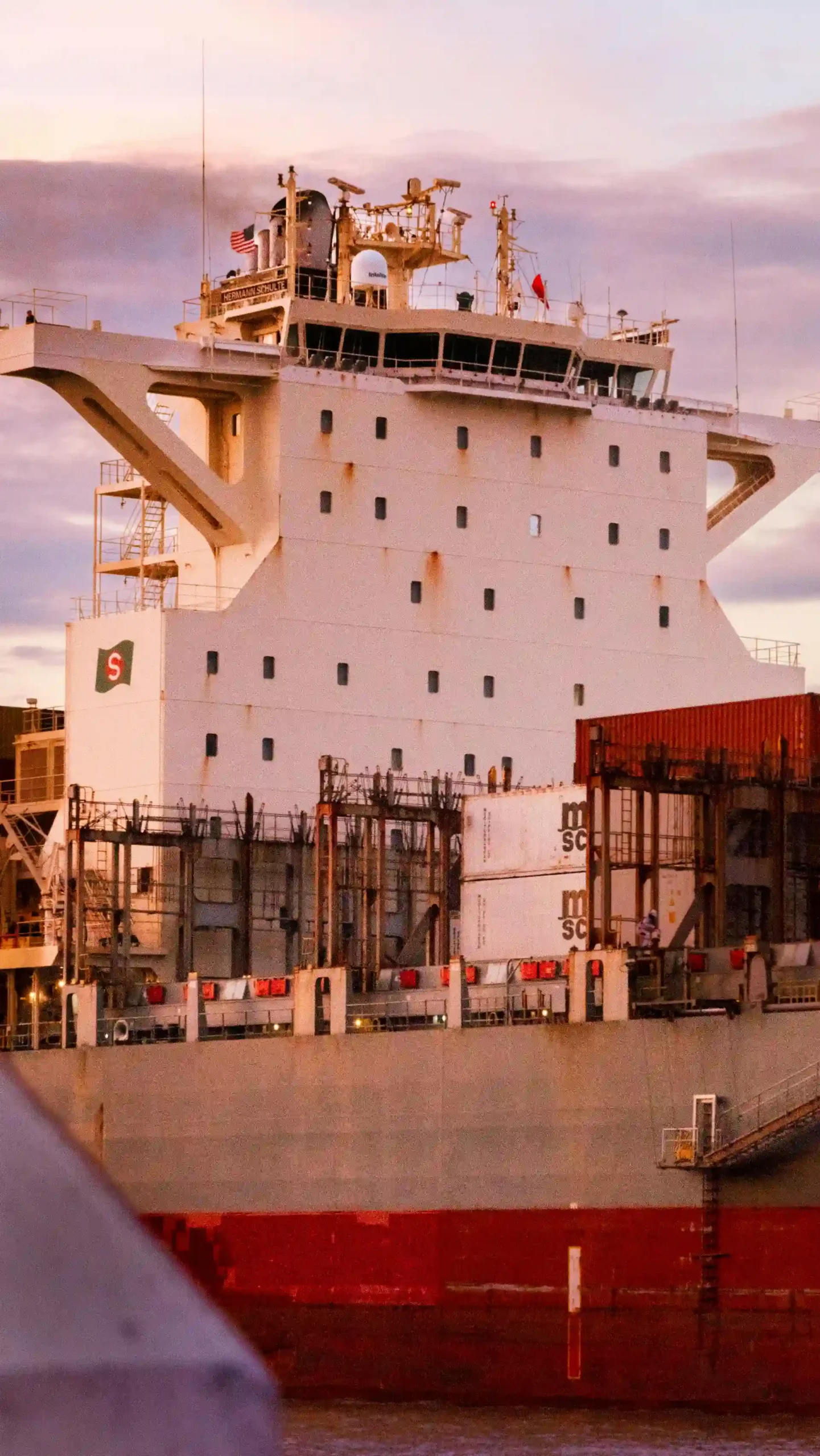
Global Supply Chains and Logistics Challenges
Information of live seafood, including foods in a Red Lobster Seafood Boil or restaurant meals at establishments such as Juicy Seafood, often travels thousands of miles. This calls for an ultra-reliable and efficient “cold chain.”
- Cold Chain Technology: We analyze the standards for temperature maintenance. It is critical to sustain temperatures close to 0°C (32°F). Any significant temperature fluctuation can lead to rapid quality degradation and increased risk of bacterial contamination. Even major players, such as Red Lobster, rely on the flawless execution of this chain to maintain their brand reputation and product consistency.
- Speed and Air Freight: For premium products, such as certain tuna varieties or lobsters, air transport is the primary method used to reduce the time from catch to counter to within 48-72 hours. While this increases the final cost, it preserves the quality required for high-end retail and sophisticated restaurants.
- The Role of Processing Centers: Large distributors utilize high-tech processing centers where products are sorted, cut, packaged (often in Modified Atmosphere Packaging, or MAP), and rapidly dispatched. This minimizes manual intervention and associated risks, ensuring, for instance, the standardized shrimp cuts necessary for commercial-scale production of a popular Seafood Boil Recipe.
Sustainability and Environmental Standards
The issue of depleting fish stocks is one of the most pressing challenges facing the industry. Our analysis focuses on the factual evaluation of sustainability initiatives and their measurable impact on marine ecosystems.
Certification (MSC and ASC)
We investigate independent certification bodies, such as the Marine Stewardship Council (MSC) for wild-caught seafood and the Aquaculture Stewardship Council (ASC) for farmed seafood. These standards provide consumers and commercial buyers with objective metrics on whether a product was sourced or farmed responsibly. The presence of such certifications is increasingly a crucial factor in the sourcing decisions of major retail players.
Illegal, Unregulated, and Unreported (IUU) Fishing
Illegal fishing poses a significant threat to marine ecosystems and economic fairness. We analyze the methods used to combat IUU, including tracking systems based on blockchain technology, to enhance supply chain transparency and deter unethical practices.
Aquaculture and Its Impact
Fish farming (aquaculture) is necessary to meet global demand. Our analysis examines both the benefits (supply control, reduced pressure on wild stocks) and the environmental risks (pollution, antibiotic use, impact on local ecosystems) associated with intensive farming operations.
Analysis of the Regulatory Environment and Product Safety
International and national regulatory bodies (such as the FDA in the U.S.) establish stringent standards that all participants in the supply chain must adhere to.
HACCP
This system is mandatory for most global markets and represents a preventive, systematic approach to ensuring food safety from biological, chemical, and physical hazards. Commercial structures, like Seafood City, must have meticulously developed and audited HACCP plans to minimize health risks.
Traceability
The ability to quickly trace a product’s origin is critical in the event of a product recall or the detection of an outbreak. Modern traceability systems require electronic record-keeping of the date, location, and method of catch or harvest, tracking the path of products like the crawfish used in a Juicy Seafood operation.
Residue Monitoring
Regular testing of seafood for heavy metals (mercury, cadmium), pesticides, and veterinary drug residues is mandatory. We publish reports on current contamination levels and regulatory standards, providing objective information on product safety.
Fundamental Principles of Business and Sourcing
Business model and sustainability principles knowledge are at the core of professionalism in this line of work. Our analysis reports provide the fundamental knowledge of how the macroeconomic factors (i.e., the price of fuel, trade quotas) influence the final price and quality of products. This information allows commercial operators and stakeholders to foresee changes in the market and make efficient sourcing decisions on real facts rather than intuition.
Affordable Culinary Experience Models in the U.S.:
For a bigger customer base, such as young adults and children seeking high-quality seafood at less expensive prices than five-star restaurants, the American food scene has developed effective and low-cost paradigms. The casual service and high-volume provided by these venues significantly reduces operational overhead:
Casual Seafood Boil Chains: Chains offering the classic Seafood Boil in a casual, very interactive setting are extremely popular. Some examples of these chains are The Juicy Crab, The Boiling Crab, and Mr. & Mrs. Crab. They offer standardized, deeply flavored, but very affordable meals presented in bags, avoiding the costs of elaborate plating and accelerating service, thereby making it cheap.
Regional Seafood Dives: Small, occasionally family-operated eateries near the water (i.e., in Texas, Louisiana, or New England) that feature fresh local catches. They occasionally offer traditional fare, such as Lobster Rolls or Fish & Chips, at significantly lower prices than large city restaurants due to directly purchasing from suppliers and eschewing decor overhead.
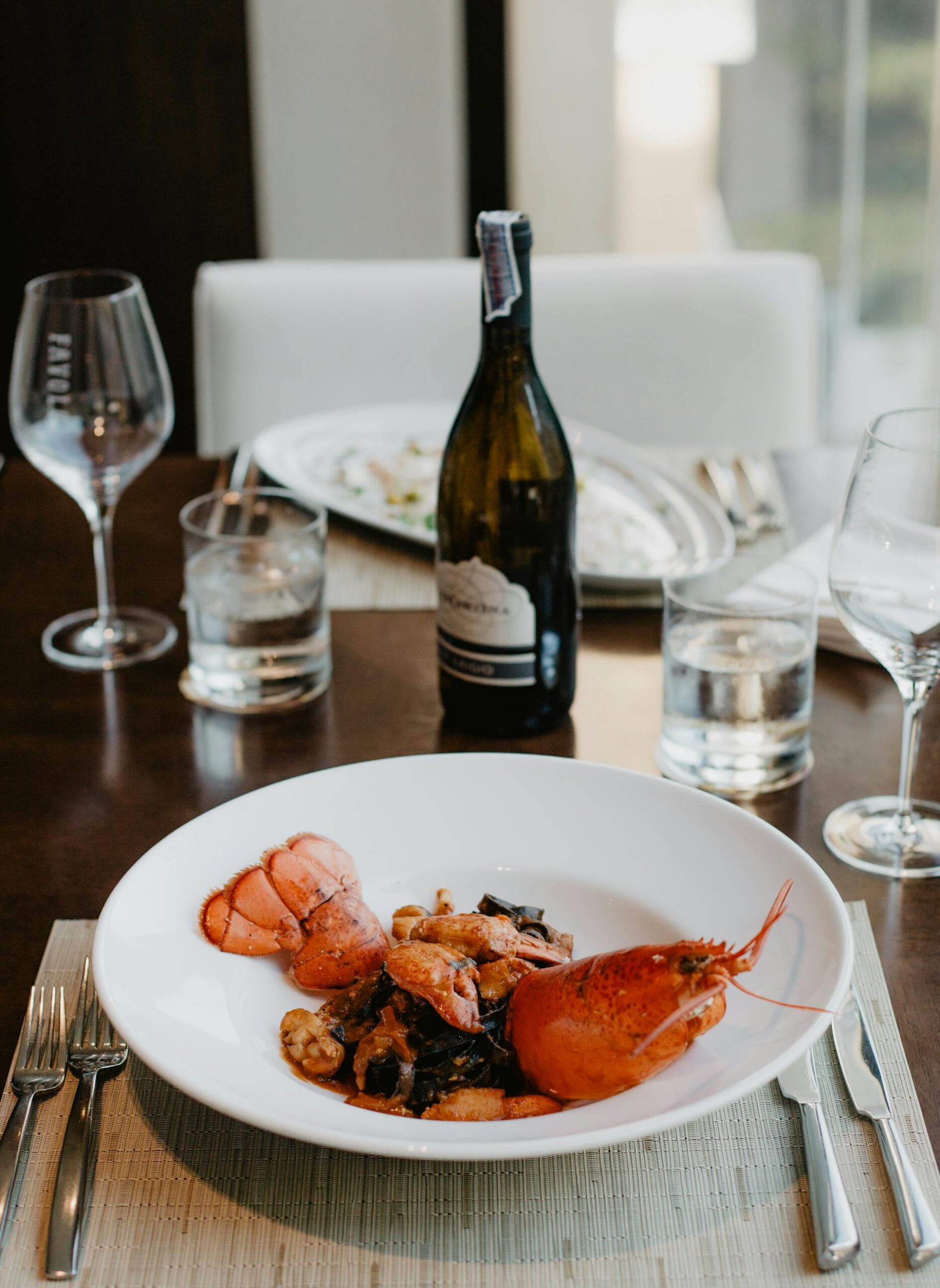
These illustrations identify how the business model can be refined and the service deconstructed to allow for the democratization of quality, if high-value, foods such as seafood.
Economic Factors and Pricing
The price of seafood is not only a function of the cost of catching or farming, but a complex balance of supply, demand, logistics, and regulatory costs.
Demand and Supply Dynamics: We employ search data (such as volume for seafood boil and seafood boil recipe) to forecast peak demand and analyze how that demand influences the seasonal prices of shrimp and crab. For example, a sudden popularity boost for an ingredient can generate shortage and an instant price increase.
Impact of Global Catastrophes: Natural disasters, be they hurricanes or “red tides,” immediately shut down fisheries in whole areas, triggering sudden price increases across the globe. Our report documents these events and their economic effects, emphasizing the benefit of source-of-supply diversification.
Grading and Classification (Grades): A higher price will generally reflect greater quality ascertained by international classification methods (e.g., shrimp size, fish freshness grade). We explain how these classifications dictate commercial profitability and final consumer price, and how large retailers such as Seafood City manipulate these grades to manage their profit margin and market position.
This thorough, fact-packed overview provides a complete snapshot of the business and environmental sides of the seafood industry. These platforms like Paper Writer provide customized essays that are clear, well-structured, and tailored to meet professors’ grading criteria.
Essay writing providers like EssayHub Platform offer professional academic assistance, ensuring every paper is well-developed, plagiarism-free, and academically sound.