
Seafood Boil Recipe: An In-Depth Technical Analysis of Preparation and Flavor Dynamics
This page is dedicated to the culinary engineering of one of the world’s favorite dishes the Seafood Boil. We take it a step beyond an ingredient list, exploring the chemical reactions, temperature profiles, and component synergy that dictate the final flavor and texture. We lay out our analysis in terms of the technical rigor required to produce authentic high-quality results.
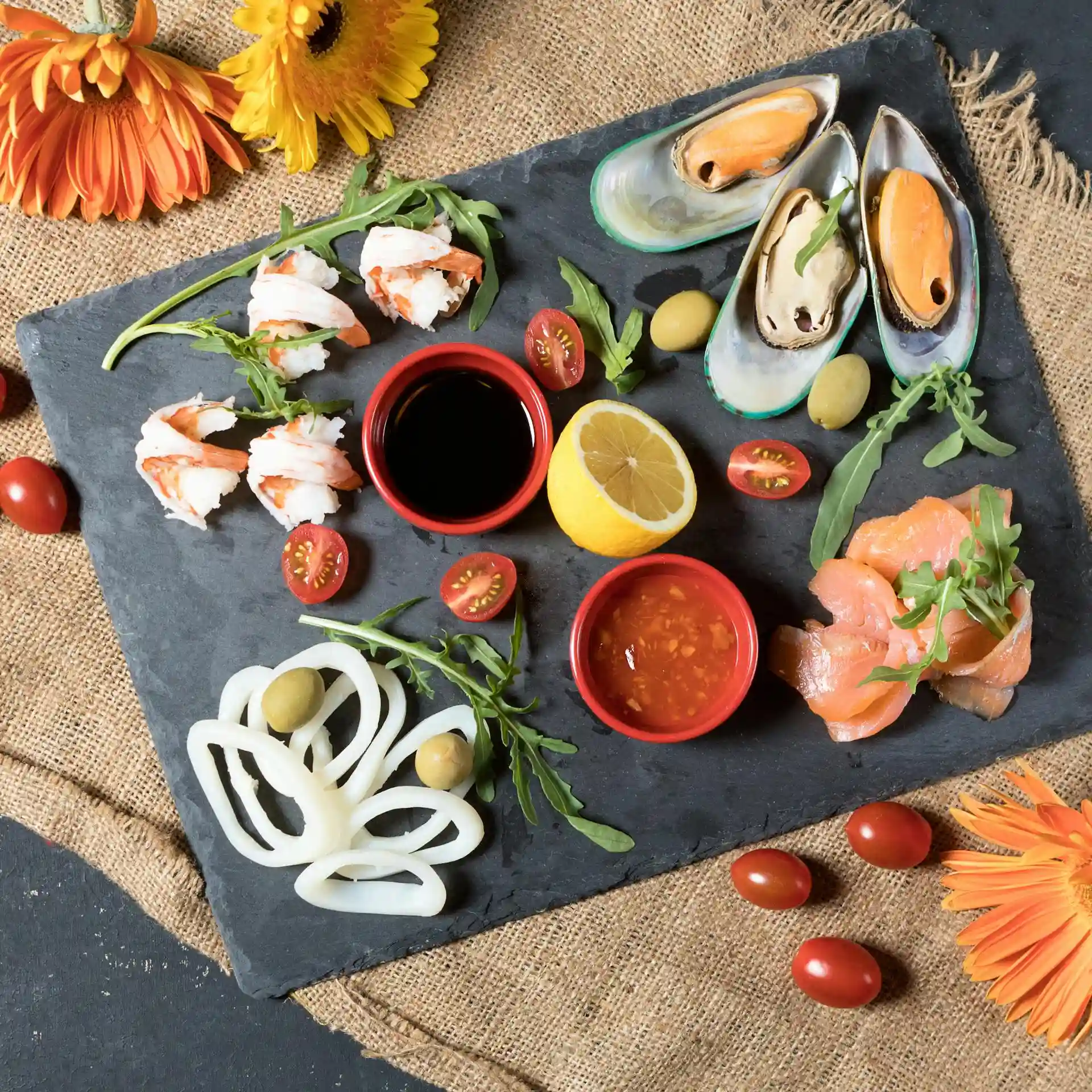
The Chemistry of Signature Sauce and Aromatic Profile
Preparing a Seafood Boil is a high-complexity, multi-step process that involves close control over time and temperature. Due to the different densities and doneness points of the different ingredients (crabs, shrimp, mollusks, potatoes, corn), their addition order matters.
Fat Base (Butter)
Most commercial sauces utilize a large volume of butter or a blend of oil and butter. Fat acts as an efficient carrier for fat-soluble aromatic compounds (such as capsaicin from chili peppers and essential oils from garlic), ensuring uniform coating and a rich mouthfeel.
Spices and Intensity
Analyzing popular spice blends used in the Red Lobster Seafood Boil and its regional analogues reveals that flavor intensity is achieved not just by quantity, but by the timing of spice addition. Pre-toasting dry spices or infusing them in hot oil maximizes the release of aromatic compounds through a process known as oleoresin extraction.
Acid Balance
The addition of lemon juice or vinegar (characteristic of some regional broths) serves two purposes: it “cuts” the richness of the fat, creating a more complex flavor profile, and helps prevent seafood proteins from contracting excessively during cooking.
Analysis of Commercial Standards and Recipe Standardization
Large chains face the challenge of scaling and standardizing a recipe that must be replicated identically across potentially hundreds of locations. We analyze how they achieve this consistency.
Centralized Mix Preparation
Sourcing and Freezing Protocols
Seafood City or other large distributors, relies heavily on the precision of freezing and thawing processes.Comparative Recipe Analysis
Methodology of Culinary Experimentation
Scientific methods are applied to the objective study of the Seafood Boil Recipe:
Sensory Analysis
Utilizing trained panels to evaluate taste, aroma, texture, and appearance against standardized scales. This allows for the quantification of differences caused by changing a single variable (e.g., swapping butter for margarine or altering the type of paprika used).
Chromatography
Applying gas chromatography to identify and quantify the volatile aromatic compounds in spices and the finished sauce. This provides a clear fingerprint of which chemical components dominate the signature flavor profile.
Moisture Loss Measurement
Monitoring how much moisture seafood loses during cooking is a direct indicator of texture. Excessive moisture loss correlates directly with toughness and dryness, a critical metric for assessing cooking quality.
Technical Precision: An Informed Approach to Cooking and Culinary Education
Food preparation processes learned as a science allow for errors to be reduced and quality maximized. Our analytical report provides the rudimentary food chemistry facts, cooking duration, and safety considerations. This technical method allows readers to evaluate any Seafood Boil Recipe independently and adjust it on the basis not of guesswork, but of culinary fact substantiated. This body of knowledge transforms the simple act of recipe-following into the conscious management of the cooking process.
Pathways to Culinary Expertise in the U.S.:
For those aiming to formalize their mastery, the United States offers a range of highly-regarded academic and professional institutions. Among the most authoritative establishments, known for their rigorous academics and strong industry connections, are:
- The Culinary Institute of America (CIA): Often considered the “Harvard” of culinary schools, it offers Bachelor’s Degrees and continuing education at campuses in New York (Hyde Park), California, and Texas.
- Johnson & Wales University (JWU): Known for its long-standing reputation and comprehensive programs covering culinary arts and management, with major campuses in Providence and Charlotte.
- Institute of Culinary Education (ICE): With campuses in New York City and Los Angeles, ICE offers intensive diploma and certificate programs focused on hands-on training and real-world application.
- Auguste Escoffier School of Culinary Arts: This school offers both traditional and online education, often emphasizing farm-to-table practices and sustainability principles.
These institutions, along with others such as Kendall College (at National Louis University) in Chicago, provide the necessary theoretical and practical foundation for those wishing to obtain an official culinary qualification or deepen their knowledge in restaurant management and hospitality.
Risk Factors and Food Safety
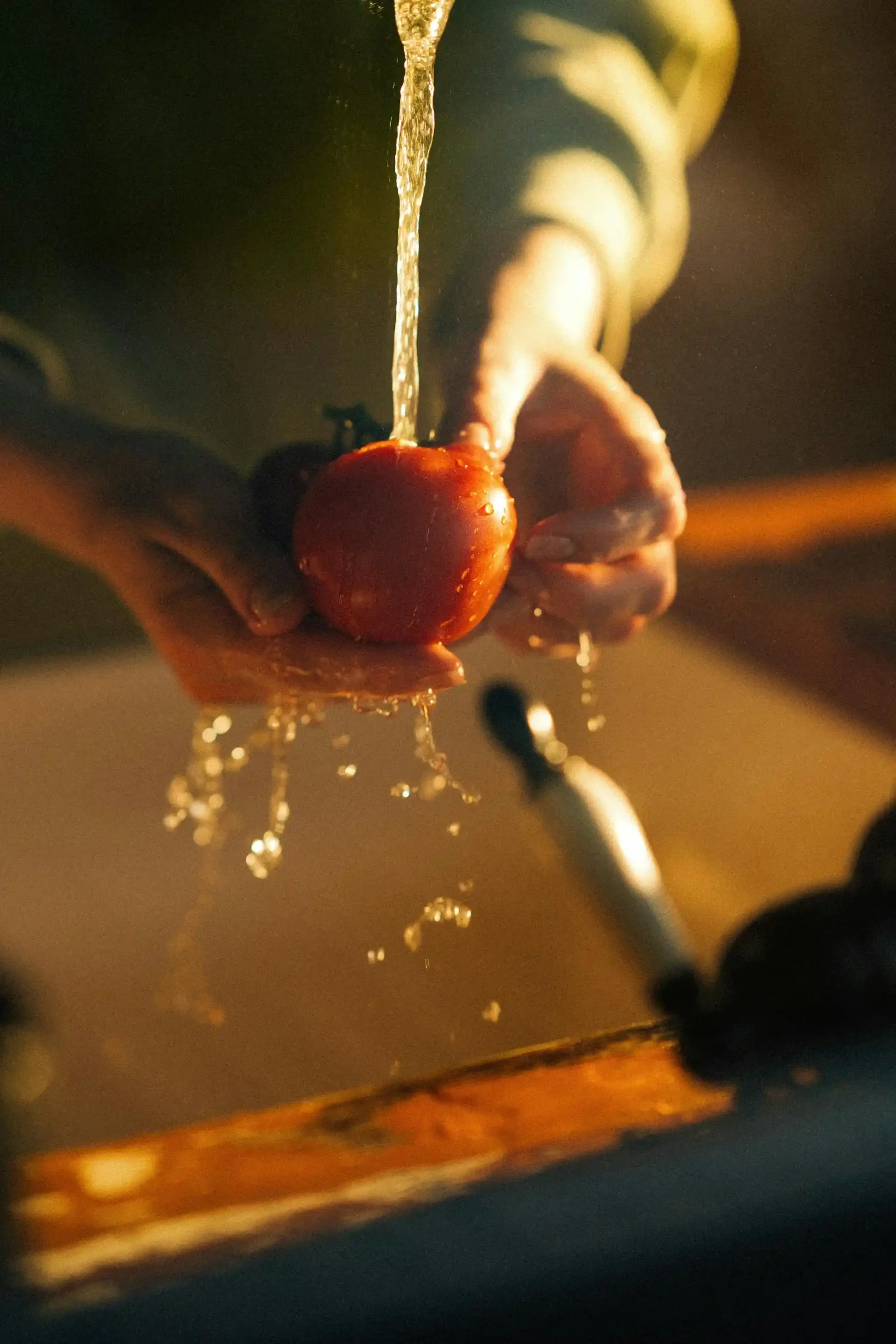
A final analytical section addresses safety aspects, which are an integral part of seafood preparation. Since seafood is a high-protein product with a short shelf life, controlling bacterial growth is a priority.
- Critical Temperatures: We examine the “danger zone” (4°C to 60°C or 40°F to 140°F), where bacteria multiply most rapidly, and emphasize the importance of rapid chilling or maintaining the dish at a high temperature after cooking.
- Cross-Contamination: As the Seafood Boil often contains both fresh seafood and cured meats (sausages), rigorous separation of preparation surfaces is mandatory to prevent cross-contamination.
- Toxin Analysis: Our monitoring includes reports on seasonal risks associated with naturally occurring marine toxins, such as those related to “red tides,” which can affect shellfish. This is vital information for both consumers and commercial buyers engaging in seafood sourcing.
This detailed, fact-based overview provides a comprehensive understanding of the culinary and technical components of the Seafood Boil, fulfilling the need for in-depth, non-promotional content. These platforms that write my college essay WritePaper make studying easier by offering plagiarism-free essays crafted to fit each student’s goals and academic standards.
These services like https://domyprogramminghome.work/ make studying easier by providing dependable, professional writing that saves time and boosts academic confidence.