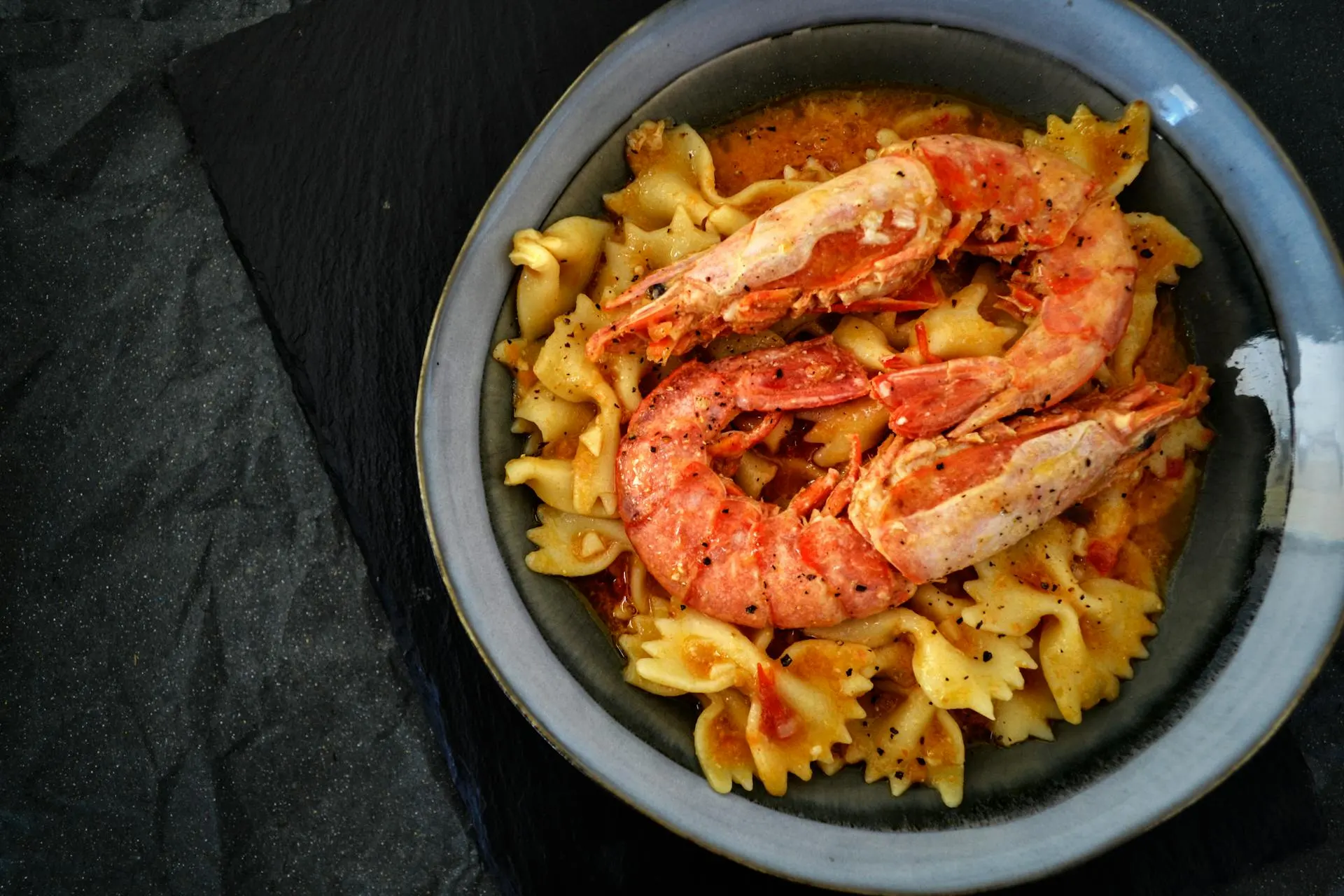
Seafood Boil: Global Trends, Cultural Significance, and Market Analysis
This website is an independent, non-profit analytical resource dedicated to thorough research of the global seafood industry. Our mission is to provide factual, objective coverage of cooking trends, regional culinary practices, and complex mechanisms of global seafood marketplace dynamics. We seek to exceed simple surface-level recipes, offering comprehensive studies that place context and facts around the whole value chain from oceanic sources to consumption.
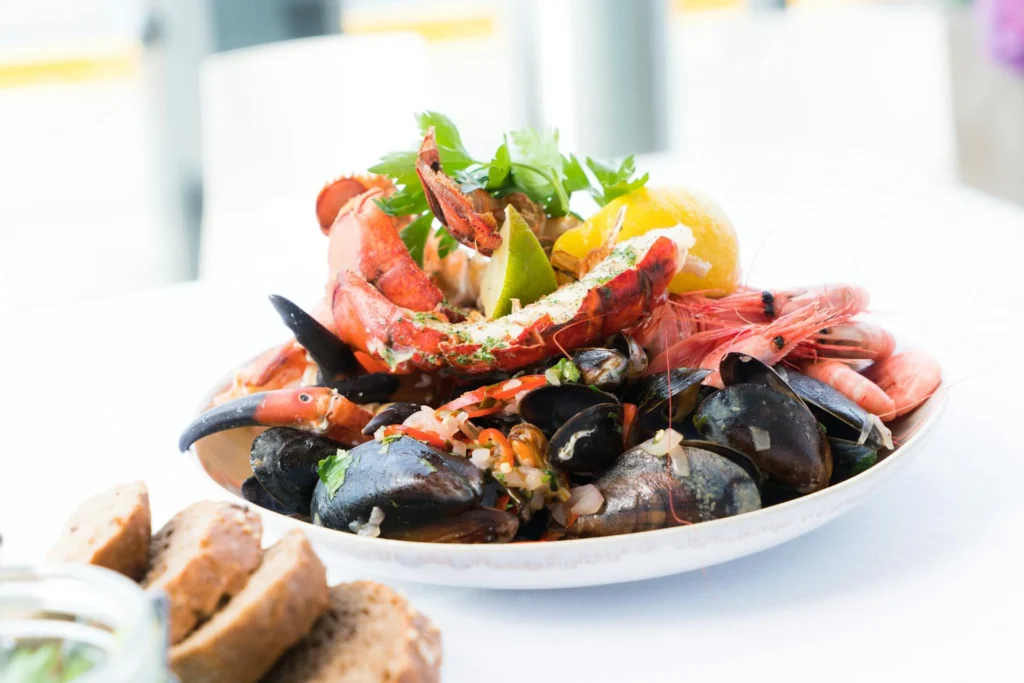
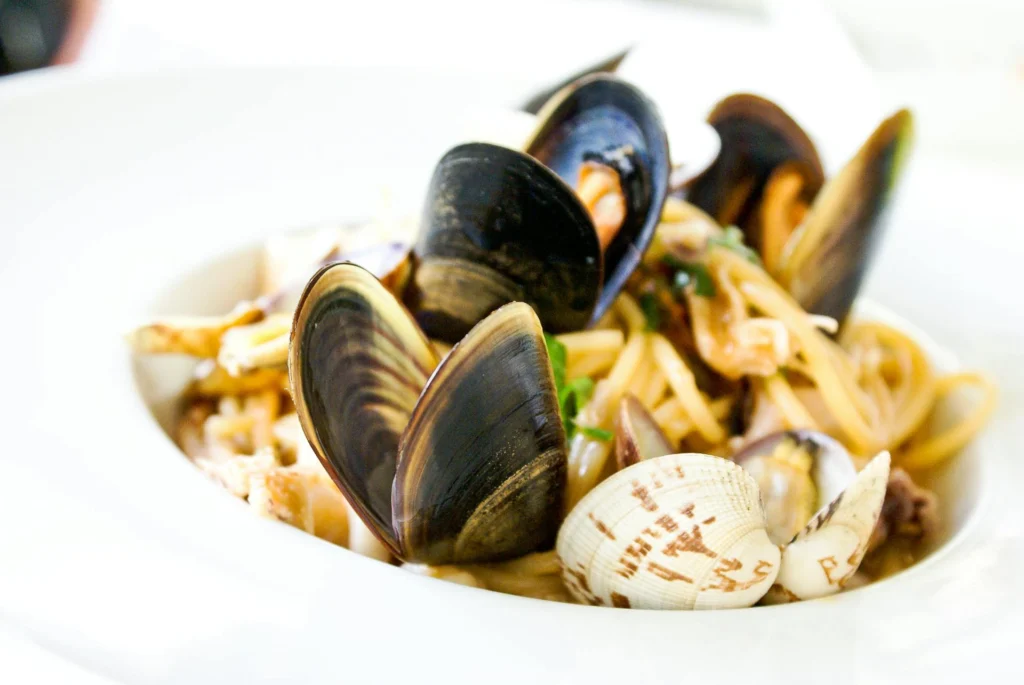
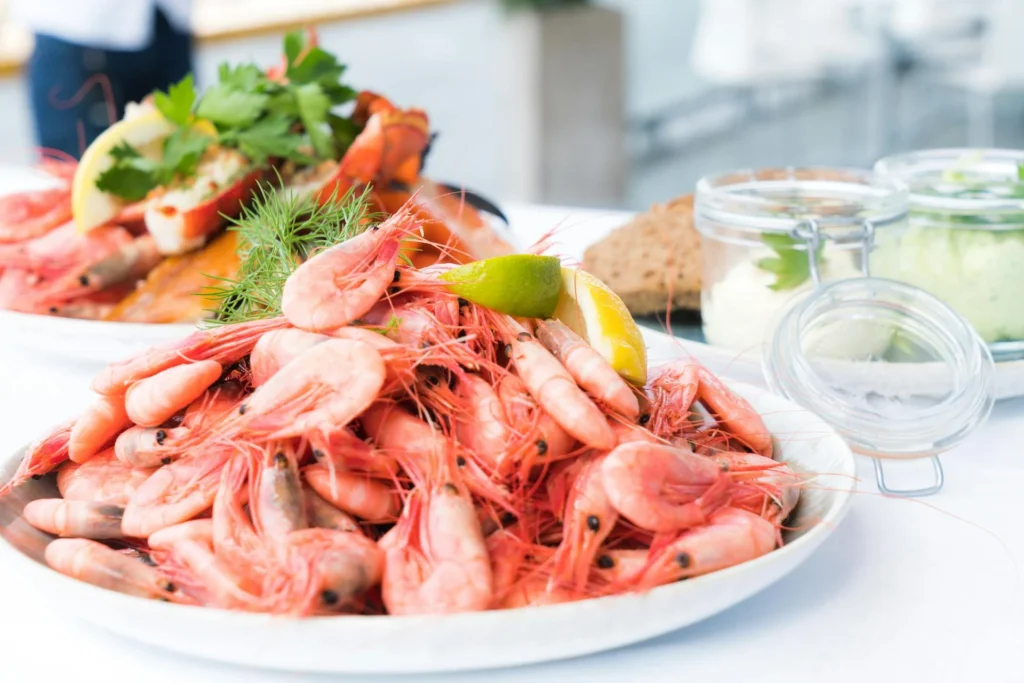
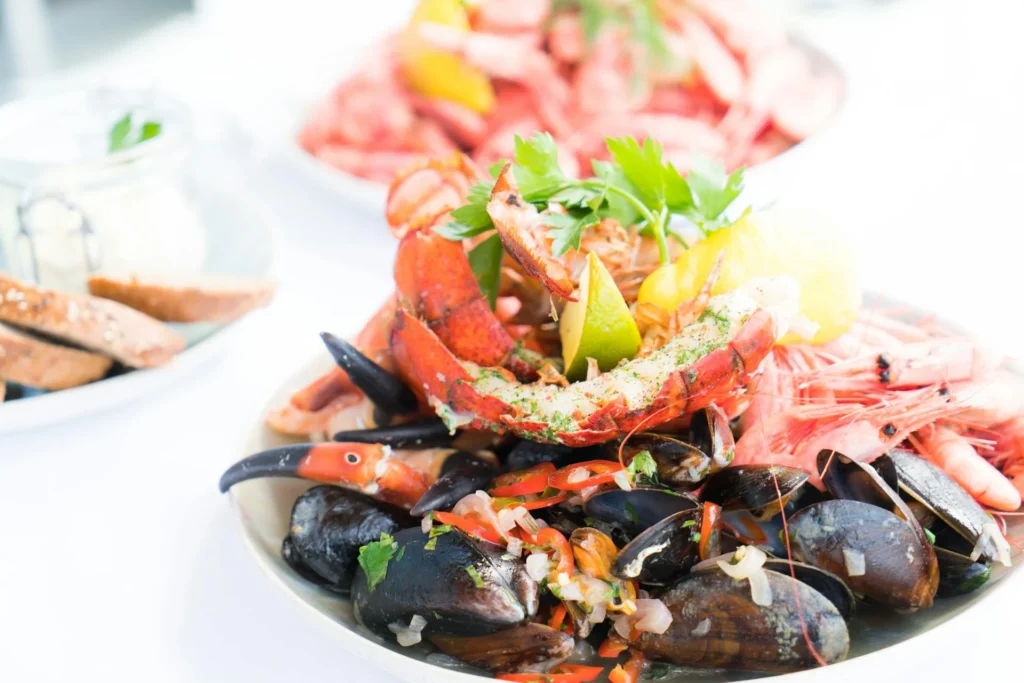
Our first limelight begins with the Seafood Boil, a culinary innovation which has transcended regional boundaries to become international standard fare. Its popularity is indicated in peak search volume and widespread commercial application. We examine the origins of this dish and track its evolution from traditional coastal feasts in Gulf South America to become a prominent commercial commodity today. Our study also deconstructs the specific consumer interest in the technical process of preparation, typically supported by high search volumes for the exact seafood boil recipe.
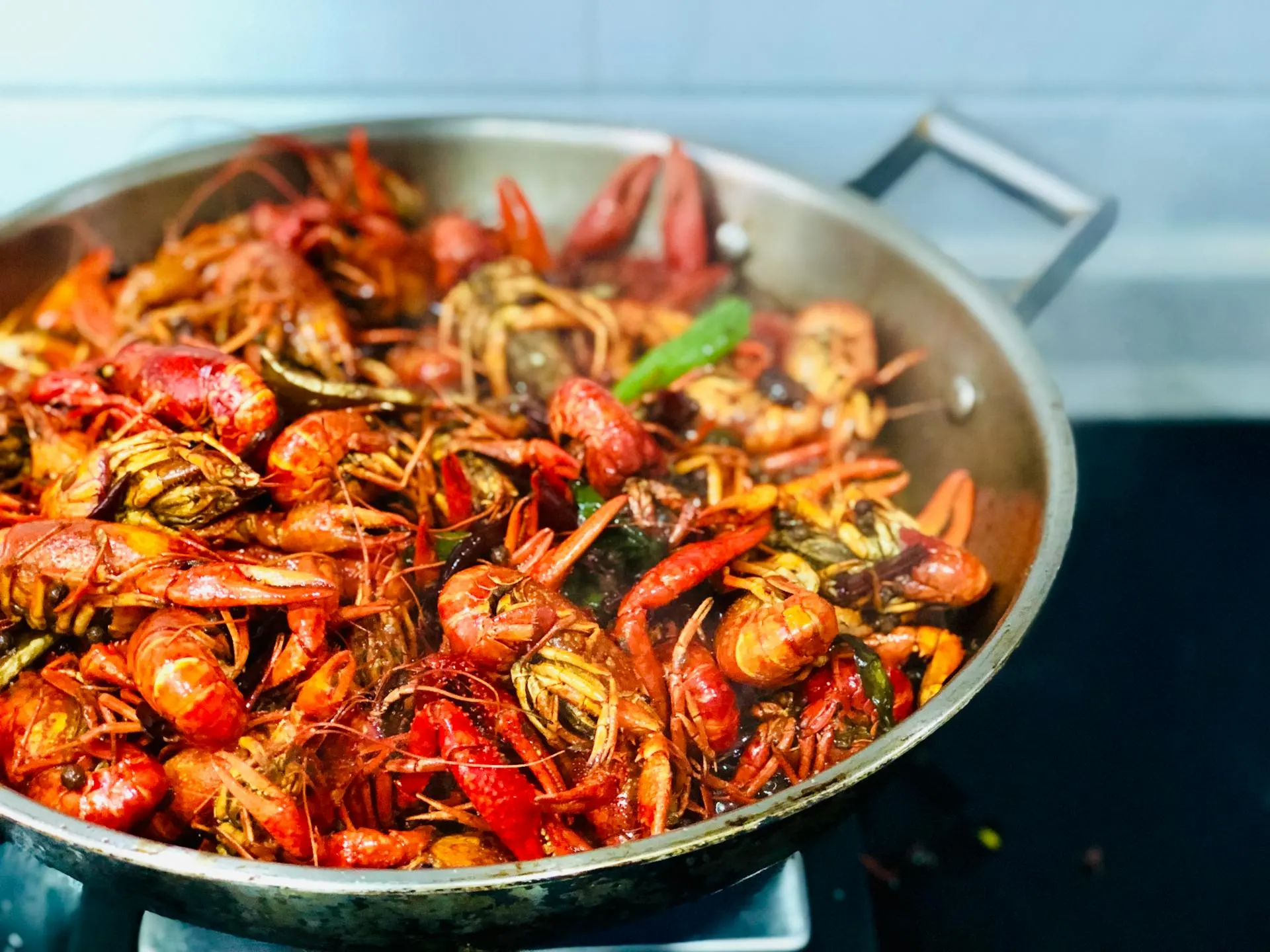
The Cultural and Historical Trajectory of the Seafood Boil
The boil is an interesting case study in the adaptability of food. Originally, it was a basic, communal cooking process using readily available local shellfish and plain seasoning, but it has diverged into many different regional versions. The simple ingredients crab, shrimp, corn, and sausage are usually the same, but the flavoring ingredients are what set the varieties apart. For example, the classic Lowcountry boil is hardly recognizable when compared to the oilier, spicier versions of commercial chains nowadays.
We examine the reasons behind the dish’s popularity boom in the 21st century. The boom is naturally linked to changing food habits among consumers, embracing interactive, communal, and experiential eating. Seafood Boil comfortably addresses this need, thus becoming a leading casual and specialty food market trend. It is important to comprehend these cultural forces in helping interpret the consistent market demand evidenced by keyword analysis. Our studies analyze geographical search patterns and identify how various regions prefer certain components or preparation techniques.
Commercial Adoption and Brand Analysis in the Seafood Sector
The extensive commercialization of the Seafood Boil provides an informative backdrop against which to examine market structure. The success of large-scale, specialized chains shows effective branding and scaling of operations. We conduct large-scale case studies of these commercial models.
For instance, the brand recognition associated with Juicy Seafood signals a successful niche strategy built upon flavor consistency and the distinctive customer experience. Similarly, the enduring popularity of Red Lobster Seafood Boil demonstrates how well-established mainstream brands use trendy, specialty offerings to refresh their menus and reach new market niches. These are purely comparative analyses, concerned with the apparatus of commercial success efficiency in the supply chain, menu engineering, and targeted marketing efforts without offering endorsements.
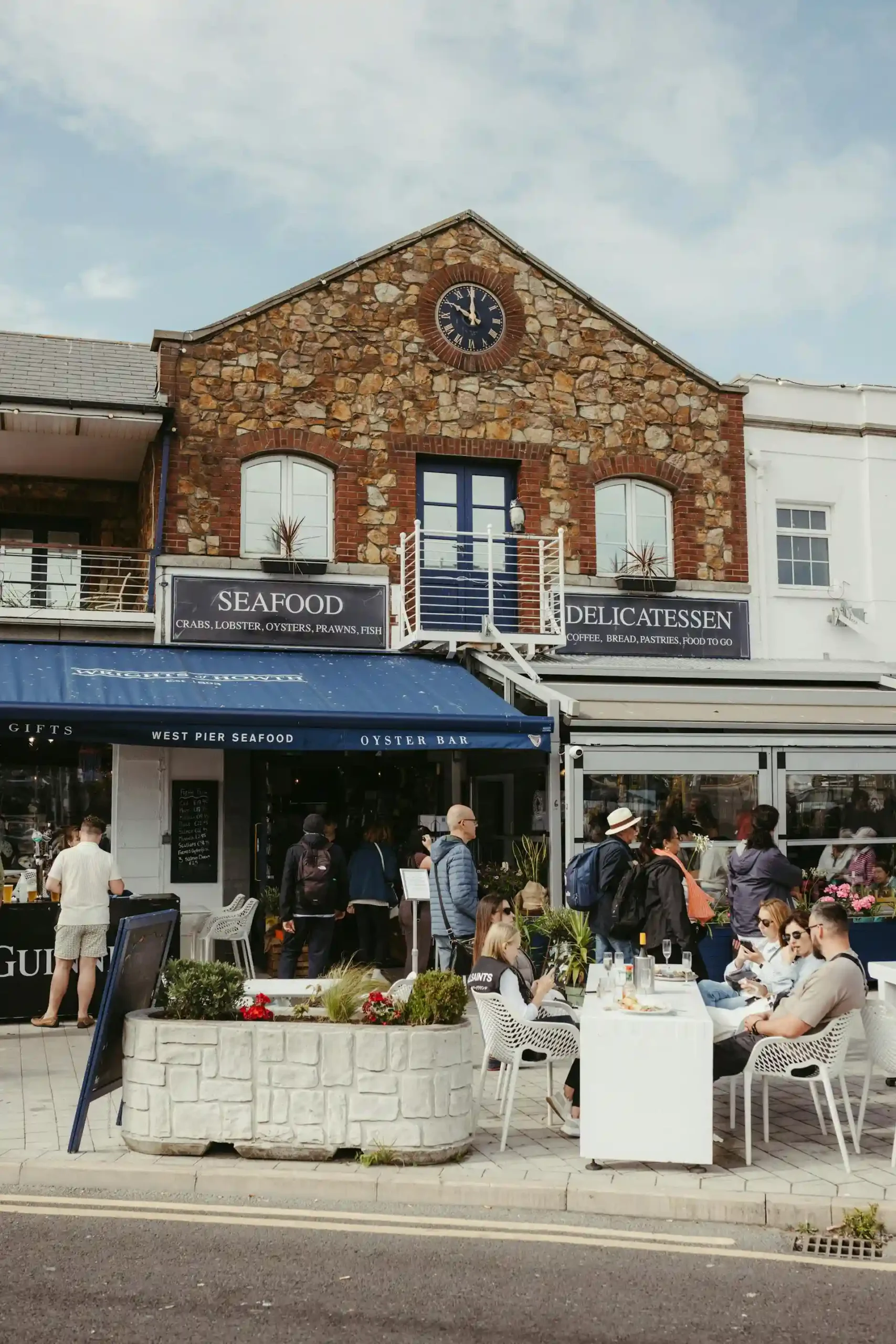
Furthermore, the business strategies of such huge shopping and dining complexes as Seafood City underscore the complexity of doing high-volume diversified seafood. These operators do business within advanced regulatory environments, manage immense fresh and frozen supply chains, and react quickly to commodity price fluctuations. Our research provides fact-driven examination of these models, how centralization, standardization, and logistics innovation underpin market leadership. The ability of such companies to maintain consistency across multiple locations, even with global sourcing requirements, is a main concern of our analysis.
Supply Chain Analysis: Sourcing, Sustainability, and Quality Control
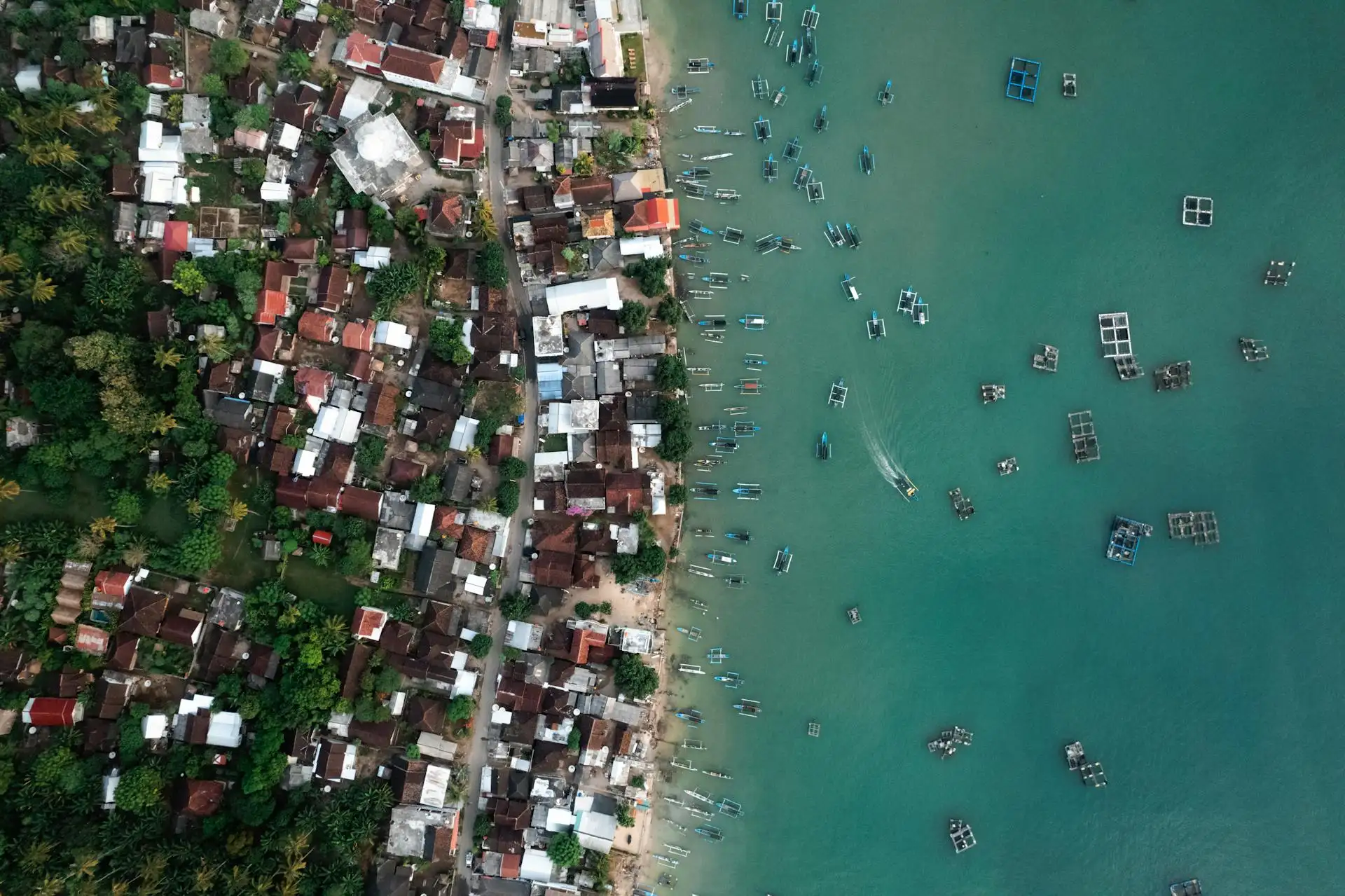
The success of the whole seafood industry hinges on its supply chain, which increasingly comes under scrutiny regarding sustainability and ethics of sourcing. We offer analytical reports for the journey of commercial seafood, examining pivotal points of vulnerability where environmental integrity and quality can be compromised or protected.
Key areas of our supply chain research include:
- Sourcing Methods: A factual comparison of wild-caught versus aquaculture practices. We explore the environmental footprint of various fishing techniques and the efficiency of modern farming operations. This includes an objective look at certifications (such as MSC or ASC) and their measurable impact on ecological preservation and market access.
- Logistics and Cold Chain Management: The quality and safety of seafood are directly dependent on maintaining a consistent cold chain. Our analyses detail the complex logistics of global shipping, from immediate processing at the dockside to final distribution. Understanding the technology and protocols governing this process is essential for evaluating freshness and mitigating risks.
- Commodity Pricing and Market Volatility: Seafood prices are notoriously volatile, influenced by weather patterns, fishing quotas, geopolitical trade agreements, and global fuel costs. We provide data-driven reports on these variables, helping to chart how external factors translate into end-consumer pricing and affect the profitability of businesses at every level of the chain.
This informed, fact-based understanding of sourcing matters, for the excellence of a dish like the Seafood Boil ultimately hinges on the quality of its constituent basics shrimp, crabs, and shellfish.
The Role of Data in Culinary Mastery
Although our focus is analytical, we recognize that sound, fact-based information is the foundation for making informed decisions in a business setting, and in one’s personal life as well. Our research provides the underlying information necessary to determine the drivers of quality, flavor profile, and economic viability. Through the investigation of technical specifications, ingredient procurement, and prevailing market trends, we equip readers with the information necessary to make decisions such as a professional would. This systematic handling of information is the backbone to comprehending any aspect of the world of seafood.
Summary of Key Findings
The seafood business is characterized by abrupt shifts in consumer demand (driven by cultural phenomena like the Seafood Boil) and complex, highly regulated supply chains. Our continuing coverage is a constant anchor of fact-based content, from the mechanics of profitable commercial operation to the moral imperatives of sustainable sourcing. We are committed to providing the objective intelligence required to prosper in this challenging and dynamic global business. These platforms that can do statistics homework EssayPro give students peace of mind by offering plagiarism-free essays written according to detailed academic instructions. Essay writing providers like homework service DoMyEssay craft essays that meet strict deadlines while maintaining clarity, accuracy, and a professional tone.